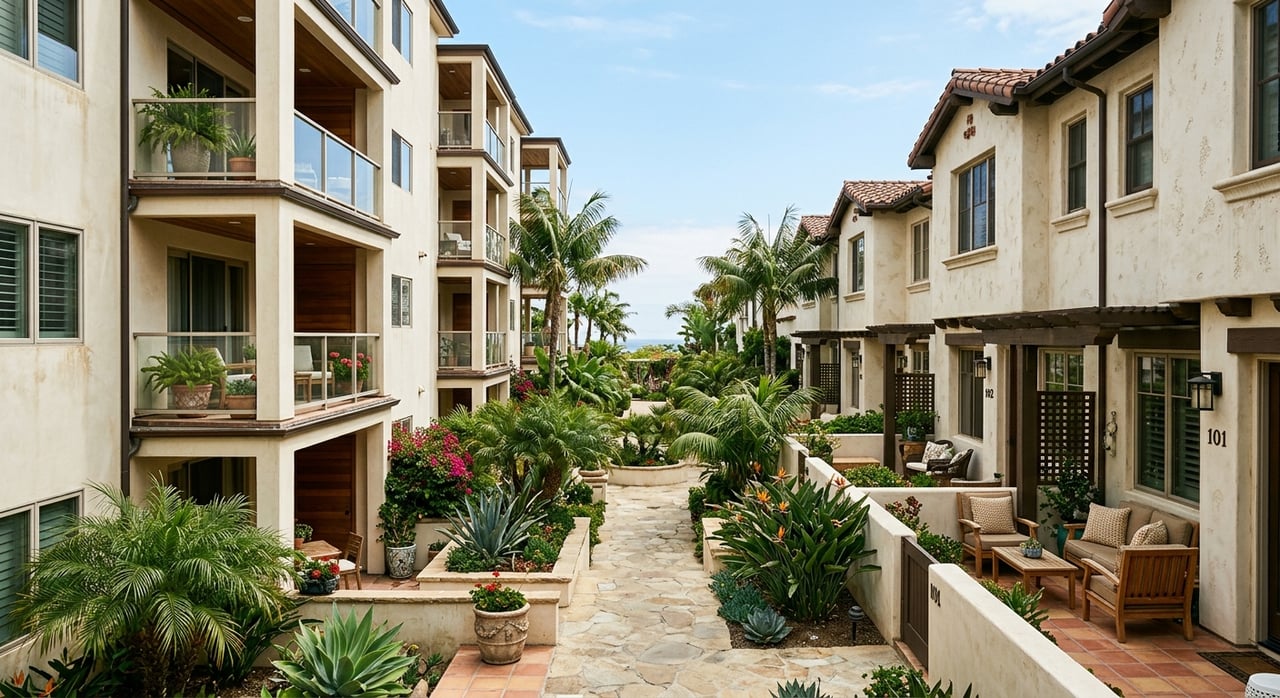
If you are deciding between a condo and a villa in Palmas del Mar, the hardest part is often not the price or the view. It is understanding what daily life, ownership rules, and rental flexibility will actually look like once you own the property. In a community as layered as Palmas del Mar, the label alone does not tell the full story, and that is exactly where a clear comparison can help. Let’s dive in.
Palmas del Mar ownership basics
Palmas del Mar is a master-planned resort and residential community in Humacao on Puerto Rico’s east coast. The community includes resort-style features such as golf, tennis and pickleball, marina access, beach services, fitness, equestrian amenities, biking, and golf cart use, along with access control, security, landscaping, and beach cleaning managed through the Palmas del Mar Homeowners Association, or PHA.
That larger structure matters when you compare condos and villas. In Palmas del Mar, a villa is often a community or product label, not one single legal ownership type. The actual ownership rights and responsibilities come from the deed, the association structure, and the governing documents tied to the specific property.
Condo vs villa in Palmas del Mar
For most buyers, the real difference comes down to how you want to live and how much control or responsibility you want to carry. A condo often appeals to buyers who want a more lock-and-leave lifestyle, while a villa-style property often appeals to buyers who want more separation, patio space, or a ground-level feel.
Still, in Palmas del Mar, that distinction is not always simple. Both condos and villa-style homes can sit inside the master association, and both can be subject to community-wide rules, architectural standards, and fees. That means your experience depends less on the name and more on the exact documents behind the property.
What defines a condo
Under Puerto Rico’s Condominium Act, a condo is an individually owned apartment within a horizontal-property regime. The unit owner has the right to use the apartment and the common areas, subject to the rights of other owners, and the condominium is governed by its Council of Titulares.
In practical terms, condos tend to centralize more decisions about shared systems and common elements. That can create a simpler ownership experience for some buyers, especially if you prefer less day-to-day exterior responsibility.
What buyers usually mean by villa
In Palmas del Mar, villa often describes a home style or neighborhood identity rather than a single legal category. Depending on the community, a villa may be a townhouse-style residence, a patio home, or another form of attached or detached housing within a broader association structure.
For you as a buyer, this usually translates into a different feel. Villa-style properties may offer more privacy, more outdoor living space, and less of a vertical living setup, but they may still come with detailed exterior rules and shared community obligations.
Lifestyle differences to think about
Your best choice often starts with how you want your home to function. If you picture arriving for a weekend or season and spending very little time thinking about the exterior, a condo may feel more natural. If you want more physical separation, outdoor space, or a home that feels less dense, a villa-style property may fit better.
The important thing to remember is that lower density does not always mean fewer rules. PHA guidelines make clear that exterior changes, landscaping, additions, and other visible modifications are governed by architectural rules and restrictive covenants throughout Palmas del Mar.
A condo may be a better fit if you want:
- Less day-to-day exterior responsibility
- A more centralized governance structure
- A lock-and-leave second-home feel
- Shared systems handled through a condo regime
A villa may be a better fit if you want:
- More separation from neighboring homes
- Patio or ground-level outdoor space
- A less vertical living experience
- A layout that feels closer to a traditional home
Fees and maintenance matter more than labels
One of the biggest mistakes buyers make is comparing only purchase price. In Palmas del Mar, the better comparison is total dues plus total maintenance responsibility.
PHA currently lists a $1,300 annual maintenance assessment per residential unit and $1,040 for lots on its new-homeowner information page. On top of that, some communities may have their own sub-association dues, separate rules, and added responsibilities.
That means a condo may come with fewer direct exterior tasks for you, but not necessarily lower total carrying costs. A villa-style property may offer more living space or privacy, but it can still involve association fees, architectural review requirements, and shared community standards.
Amenity access is worth reading closely
Many buyers are drawn to Palmas del Mar because of the lifestyle. That makes it especially important to understand which amenities are community-wide, which are restricted, and which may require separate memberships or user fees.
PHA’s bylaws state that restricted common properties are intended for owners, their immediate families, guests, and tenants with leases of six months or longer. The same bylaws exclude tenants with leases under six months, resort paying guests, and visiting members of the general public from those restricted common properties.
If you are buying for part-time use or future leasing, this can affect how you evaluate the property. Two homes with similar finishes and views may offer a very different ownership experience depending on the access rules tied to owners, guests, and tenants.
Rental rules can change the decision
If rental income or flexible use matters to you, this is one of the most important parts of your due diligence. In Palmas del Mar, rental potential is highly community-specific.
Puerto Rico’s Condominium Act defines a short-term rental as a rental of less than 90 consecutive days. The law says a condominium cannot prohibit short-term rental unless the master deed or bylaws expressly prohibit it or establish a minimum rental term, and it also allows bylaws to regulate minimum nights and certain fees.
In practice, some Palmas communities apply stricter rules than the broader state baseline. For example, Villa de las Palmas requires a 30-day minimum lease, submission of a signed lease within 24 hours, renter registration within 24 hours of arrival, and it does not allow renter gate codes or pets.
Palma del Mar V also has stricter rules, including advance written approval, a minimum 30-day lease, a first-year leasing prohibition, a ban on subleasing, tenant registration 20 days before occupancy, guest registration, and a requirement that association fees be current.
PHA has also added a community-wide rental registration program. Its published 2024 community standards state that beginning January 1, 2025, any member who rents or leases a residential property must register the rental with PHA and pay an annual fee based on bedroom count:
- $500 for 1 to 2 bedrooms
- $750 for 3 to 4 bedrooms
- $1,000 for 5 or more bedrooms
For second-home buyers and investors, this means you should not assume a condo is easier to rent or that a villa gives you more flexibility. The exact community documents control what is allowed.
Questions to ask before you buy
Before closing on any condo or villa in Palmas del Mar, make sure you verify the details that shape real ownership costs and use. This step can help you avoid surprises after closing.
Confirm these items in writing
- Is the property legally a condominium unit, townhouse, patio home, or detached home within a neighborhood HOA?
- What PHA assessment applies, and are there sub-association dues?
- Who handles roofs, exterior walls, landscaping, and exterior repairs?
- What rental minimums, waiting periods, registration rules, and fees apply?
- Which amenities are included automatically, and which require separate membership or user fees?
- What exterior changes require architectural approval?
- What registration requirements apply for vehicles, golf carts, or occupants?
So which one is better?
The better choice depends on what matters most to you. If your priority is convenience, simpler exterior upkeep, and a more lock-and-leave setup, a condo may be the stronger fit. If your priority is more space, more separation, and a more home-like layout, a villa-style property may be worth a closer look.
In Palmas del Mar, though, the smartest approach is to look past the label. The deed, the community rules, the fee structure, the amenity access, and the rental restrictions are what define the real ownership experience.
If you want help comparing specific condos and villa-style homes in Palmas del Mar, working with an advisor who understands both the lifestyle and the governing documents can make the process much clearer. For discreet guidance tailored to your goals, connect with Gloria Cabrera.
FAQs
What is the main difference between a condo and villa in Palmas del Mar?
- In Palmas del Mar, the biggest difference is usually lifestyle, maintenance responsibility, and governance structure, not just the label. The deed and association documents determine the actual ownership terms.
Do condos and villas in Palmas del Mar both pay association fees?
- Yes. Both may be subject to the master PHA assessment, and some properties also have sub-association dues depending on the community.
Can you rent out a condo or villa in Palmas del Mar?
- Possibly, but rental rules are community-specific. You need to review the property’s governing documents, any minimum lease terms, registration requirements, and PHA rental rules.
Are villas in Palmas del Mar less regulated than condos?
- Not necessarily. Villa-style homes may still be subject to PHA architectural rules, restrictive covenants, community standards, and sub-association requirements.
Do Palmas del Mar tenants get the same amenity access as owners?
- Not always. PHA bylaws state that tenants with leases of six months or longer may access restricted common properties, while tenants on leases under six months are excluded from those restricted common properties.
What should buyers review before purchasing in Palmas del Mar?
- Buyers should confirm the legal property type, all association dues, maintenance responsibilities, rental restrictions, amenity access rules, and architectural approval requirements before closing.