What if your home came with centuries of history outside the front door and a luxury lifestyle woven into daily life? If you are drawn to character, walkability, and the energy of a living historic district, owning in Old San Juan can feel unlike anywhere else in Puerto Rico. The key is knowing what makes this neighborhood so special, and what ownership here really asks of you. Let’s dive in.
Why Old San Juan Feels Different
Old San Juan is not simply a beautiful backdrop. It is a UNESCO World Heritage landscape and one of the premier colonial cities in the United States, with more than four centuries of military, civic, and architectural history shaping the district.
It is also recognized as the oldest continuously inhabited post-contact city in the U.S. That gives ownership here a rare sense of permanence, where your property is part of a living urban story rather than an isolated luxury address.
The area is substantial enough to function as a real neighborhood. Puerto Rico’s historic conservation records identify hundreds of historic resources across the district, which helps explain why Old San Juan feels active, layered, and deeply residential, not frozen in time.
Luxury Here Means Character
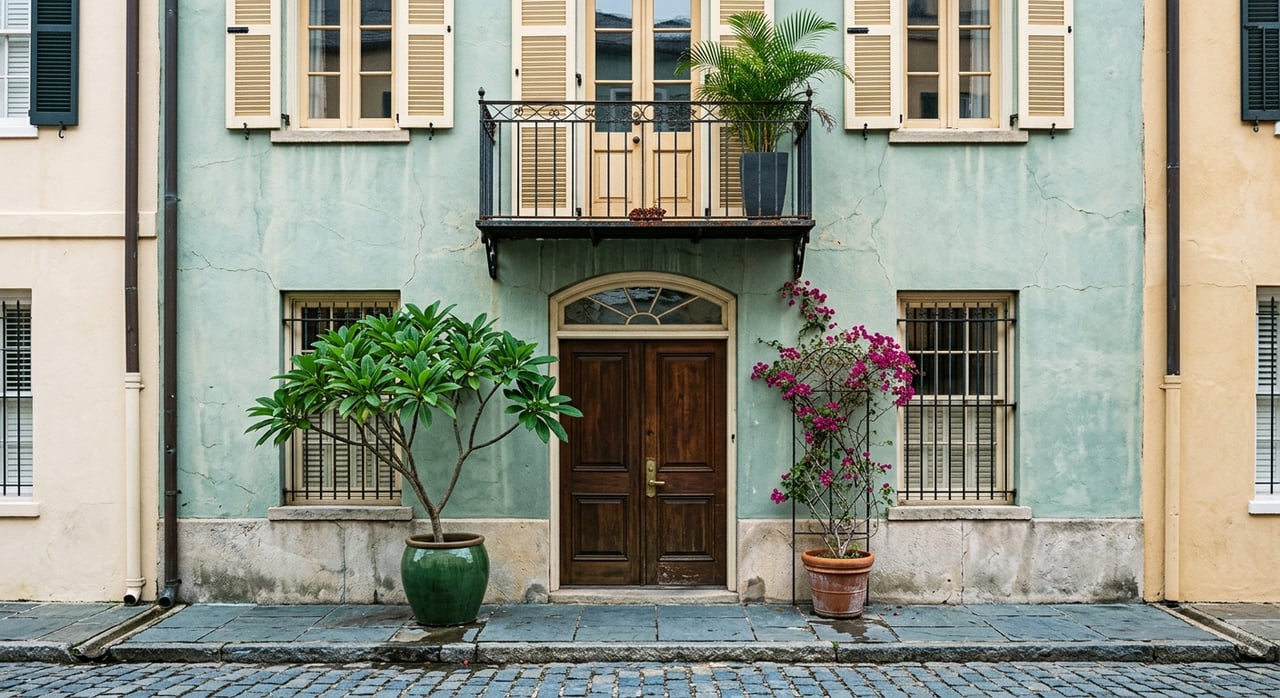
In Old San Juan, luxury often looks different from what you might expect in a resort or suburban setting. Instead of large detached homes on private lots, buyers will usually find attached urban houses, restored townhomes, mixed-use historic buildings, and apartments inside older masonry structures.
That distinction matters. The appeal here is less about sprawling square footage and more about architectural authenticity, location, and the daily experience of living inside a place with real historic depth.
Many buildings feature party walls, stucco exteriors, balconies, and interior courtyards. Historic domestic layouts often include traditional spaces such as salas, saletas, and central zaguanes, all shaped by centuries of urban living on a dense coastal islet.
What Homes Tend to Look Like
The housing stock in Viejo San Juan reflects a compact and vertical style of living. Buildings were designed for a dense urban setting, so you should expect narrow lots, multiple stories, and shared walls rather than broad footprints.
Interior courtyards are a recurring feature and can add privacy, light, and airflow. Corner buildings, balconies, and the close rhythm of the street grid also contribute to the visual charm many buyers fall in love with.
Construction style is another important detail. Many pre-1898 properties include masonry and rammed-earth construction, which makes the purchase process different from buying a newer condo or modern single-family home elsewhere on the island.
Daily Life Is Walkable and Urban
One of Old San Juan’s strongest lifestyle draws is that it was built for walking. Its orthogonal grid, narrow streets, alleyways, port lanes, and public stairways create a human-scale environment where much of daily life happens on foot.
That layout was originally designed for shade and movement, and it still shapes how the neighborhood functions today. You can move through plazas, historic streets, and commercial areas in a way that feels connected and immediate.
For many buyers, that is part of the luxury. You are not just buying a home. You are buying into a rhythm of life that feels immersive, social, and deeply tied to place.
Old San Juan Is a Living District
A common misconception is that Old San Juan is more museum than neighborhood. In reality, it has long functioned as a mixed residential and commercial district with houses, churches, museums, plazas, institutional buildings, and commercial spaces.
That mix gives the area its energy. You are living in a historic district that still supports ordinary daily routines, cultural events, and an active street presence.
It also means the atmosphere can shift block by block. Some streets feel quieter and more residential, while others are closer to landmarks, restaurants, and visitor activity.
Culture Is Part of Ownership
When you own in Old San Juan, culture is not an occasional amenity. It is part of the environment around you. The city’s plazas and streets have long supported recreation, gatherings, and everyday public life.
That tradition continues through events and celebrations coordinated by San Juan’s municipal arts and culture department. One of the best-known examples is the traditional Fiestas de la Calle San Sebastián, typically held from Thursday to Sunday during the third weekend in January.
For some buyers, that cultural rhythm is a major reason to be here. For others, it is something to plan around, especially if you value a quieter routine at certain times of year.
Visitor Activity Is Part of the Setting
Old San Juan’s beauty and accessibility also bring regular visitor traffic. The port sits close to the historic core, and many landmarks, museums, restaurants, and streets are within walking distance.
That means ownership here comes with a dynamic public setting. Depending on the property’s exact location, you may experience more foot traffic near major landmarks and commercial corridors.
This is not necessarily a drawback. Many buyers see it as part of the district’s appeal, especially if they want the atmosphere of a vibrant urban destination rather than a private, secluded enclave.
Preservation Rules Matter
If you are considering a home in Old San Juan, preservation oversight should be part of your planning from day one. Puerto Rico’s historic conservation office coordinates efforts to identify and protect historic properties and serves as a first point of contact for private projects.
That is especially important if you plan to restore, update, or rehabilitate a property. Rehabilitation work may be routed through the Secretary of the Interior standards, which can affect materials, methods, and design decisions.
This does not mean ownership is overly restrictive. It does mean you should approach renovations with care, patience, and expert guidance.
Historic Ownership Rewards Preparation
Buyers who thrive in Old San Juan usually understand that the home search is only part of the process. A successful purchase also involves evaluating how a property’s historic status may shape future improvements, maintenance, and approvals.
For some eligible properties, Puerto Rico’s preservation framework also notes a federal historic preservation tax credit pathway. If a property may qualify, that is worth exploring early as part of your due diligence and planning.
This is one reason Old San Juan often attracts thoughtful buyers who value long-term stewardship as much as design and location.
Parking Takes More Planning
Parking is one of the most practical differences between Old San Juan and other luxury markets in Puerto Rico. The neighborhood’s historic layout was not built around modern vehicle storage, so access and parking often require more planning.
The municipality offers parking and access stickers for residents and merchants. For resident applicants, the portal states a maximum of two parking stickers per dwelling unit.
That kind of policy can be helpful, but it also highlights why parking should be discussed early in your search. If your lifestyle depends on frequent driving, deliveries, or multiple vehicles, you will want a clear understanding of how a specific property fits your needs.
Coastal Due Diligence Is Essential
Old San Juan sits on a coastal islet, so flood and sea-level considerations deserve careful attention. This is not a detail to leave until the final stage of a transaction.
Puerto Rico’s Planning Board provides the official flood maps and ABFE tools used for development review and mitigation planning. In addition, a 2024 USGS fact sheet addressed projected sea-level rise and high-tide flooding at San Juan National Historic Site.
For buyers, the takeaway is simple: coastal diligence matters. You should review flood-related information early and make sure your purchase decisions are informed by the property’s specific conditions and location.
Who Old San Juan Fits Best
Old San Juan tends to appeal to buyers who want heritage, walkability, and a dense city lifestyle. If you value historic architecture, cultural energy, and a home that feels connected to the fabric of the city, this neighborhood may be a strong fit.
It can also be especially compelling if you are relocating to Puerto Rico and want an experience that feels distinctly rooted in place. Few neighborhoods offer the same blend of history, architecture, and day-to-day urban life.
At the same time, it is not the same lifestyle as a resort villa, golf residence, or newer high-rise condo. The right fit comes down to what kind of luxury you want to live in.
Buying With the Right Guidance
A purchase in Viejo San Juan is rarely just about finishes or price per square foot. It is about understanding preservation, walkability, visitor patterns, parking realities, and the long-term responsibilities that come with a historic property.
That is why local guidance matters. When your goals include lifestyle, legacy, and smart planning, you want an advisor who can help you weigh the details with clarity and discretion.
If Old San Juan is calling you, Gloria Cabrera can help you explore the neighborhood with a luxury lens and a practical understanding of what ownership here really means.
FAQs
What makes owning a home in Old San Juan unique?
- Owning in Old San Juan means living in a UNESCO World Heritage district with a walkable urban layout, historic architecture, active public spaces, and preservation considerations that differ from newer neighborhoods.
What types of homes are common in Old San Juan?
- Buyers should generally expect attached urban houses, restored townhomes, mixed-use historic buildings, and apartments within older masonry structures rather than detached homes on large lots.
What should buyers know about parking in Old San Juan?
- Parking and vehicle access usually require more planning, and the municipal resident portal states that resident applicants may receive up to two parking stickers per dwelling unit.
What should buyers know about renovations in Old San Juan?
- Renovation and rehabilitation work may be subject to historic preservation oversight, so buyers should understand approval pathways and standards before planning major updates.
What should buyers know about flood risk in Old San Juan?
- Because Old San Juan is on a coastal islet, buyers should review official flood maps and related planning tools early in the purchase process and evaluate each property’s location carefully.
Is Old San Juan a good fit for luxury buyers relocating to Puerto Rico?
- It can be an excellent fit for buyers who value history, walkability, culture, and an urban lifestyle, especially if they want a home with strong architectural character and a sense of place.